

Your gums are important supporting structures of the tooth that surround and anchor them. They form a major component of the periodontium and maintain the integrity of your teeth and the oral cavity. Any infection or inflammation can lead to gum or periodontal disease that requires immediate attention.
The dentist in Houston and their team help patients understand periodontal disease, and identify the warning signs that enable them to seek timely dental care.
What is periodontal disease?
Periodontal disease is a common dental problem that involves the infection and inflammation of the gums and the bones that support your teeth. Almost a fourth of all adults globally have some form of periodontal or gum disease. It is one of the leading causes of tooth loss. Poor hygiene typically gives way to increased bacterial accumulation and plaque adherence leading to periodontal disease.
What causes periodontal disease?
Poor oral hygiene leads to increased bacterial colonization which forms an ideal environment for plaque adherence (a thin sticky coat formed on the tooth surface), which over some time hardens to form calculus.
The possible risk factors for periodontal disease include:
- Genetic predisposition
- Diabetes
- Unhealthy lifestyle habits like smoking, excess alcoholism, and other forms of tobacco use
- Stress
- Hormonal changes during puberty, pregnancy, and menopause
- Autoimmune disorders like lupus
- Certain medications like antibiotics, and tetracyclines
What are the symptoms of periodontal disease?
Periodontal signs and symptoms may include:
- Red, swollen, and engorged gums
- Discoloration of your gums (reddish, purplish, or greenish)
- Bleeding gums
- Gum recession
- The tooth appears longer than normal due to exposure to the tooth roots
- Halitosis (bad breath)
- Metallic taste
- Malocclusion or misalignment
- Loose teeth
How is periodontal disease treated?
Several treatment options are available based on the severity and stage of the disease.
Mild to moderate cases
- Professional cleaning
- Supragingival cleaning
- Subgingival scaling
- Root planing
- Medications
- Antibiotic gels and mouth rinse
- Pocket irrigation
Moderate to severe cases
- Pocket elimination surgery
Exciting, and reattaching the lost gingival tissue to its original position
- Tissue regeneration
To rehabilitate and revitalize damaged tissue structure through PRP (platelet-rich plasma) therapy
- Gum grafting
Gingival tissue grafts are extracted from other areas of the oral cavity to replace the lost gum tissues
- Bone grafting
Bone grafts are used to restore the jawbone thickness and volume
- Dental implants
Permanent posts that provide a strong anchorage to restorations like crowns, and bridges to replace missing teeth lost due to periodontal disease
Identifying early warning signs of periodontal disease is crucial to seek timely dental care. This helps curb the disease progression to prevent further oral deterioration.
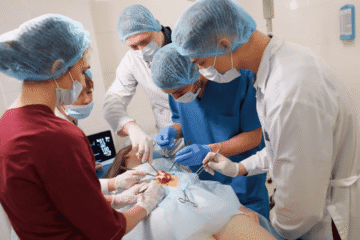
What To Think About Before Gender-Affirming Surgery
August 25, 2026

Comments are closed.
-
Plastic Surgery – Best on the planet
December 22, 2017 -
Things You Should Know About Getting nipple pasties
July 9, 2022 -
What Changes Occurred in Church Fashion over the Years
November 3, 2018
Latest Posts
-

What To Think About Before Gender-Affirming Surgery
August 25, 2026 -

-

Men’s Weight Loss: A Modern Approach Beyond Diet and Exercise
August 21, 2026 -

-

Recent Posts
- What To Think About Before Gender-Affirming Surgery August 25, 2026
- The Hidden Impact of Weight on Joint Health, Mobility, and Healthy Aging August 21, 2026
- Men’s Weight Loss: A Modern Approach Beyond Diet and Exercise August 21, 2026
- The First Year After Birth: Why Ongoing Support Matters for the Whole Family August 21, 2026
- The Hidden Connection Between Hearing Loss, Social Isolation, and Emotional Health August 21, 2026