
Designing Medical Clinics: Fitout Tips for Optimal Functionality
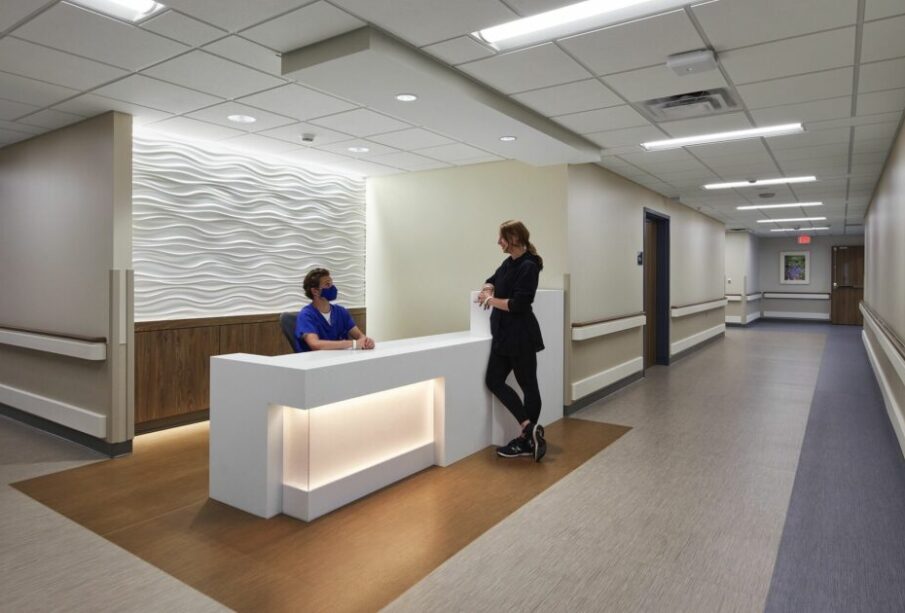
Creating a successful medical practice in Australia involves more than just assembling a skilled team of healthcare professionals. The physical environment of your clinic plays a vital role in patient experience, staff efficiency, and overall operational success. A well-planned design considers both the comfort of patients and the specific workflow needs of medical staff.
Effective planning is the foundation of a functional and welcoming healthcare space. The process of a medical clinic fitout requires careful thought about how patients and staff will move through the environment. From the moment a patient enters, their journey should feel seamless and calming. This includes considerations for accessibility, clear signage, and a reception area that feels organised and private.
The layout directly influences the clinic’s daily operations. A thoughtful design can reduce staff movement, improve communication, and enhance patient privacy. Balancing these elements is a central challenge, but getting it right leads to a more efficient and pleasant environment for everyone. It involves mapping out patient flow, staff workflows, and the placement of essential equipment.
Planning the Patient Journey
The patient’s experience begins in the waiting room. This area should be comfortable and calming, with sufficient seating that allows for personal space. In Australia, it’s important to consider diverse patient needs, including families with children and individuals with mobility challenges. A separate area for children or quiet zones can improve the experience for all visitors.
Consultation rooms need to strike a balance between clinical functionality and patient comfort. The layout should allow the doctor to easily access equipment while maintaining a personal connection with the patient. Soundproofing is a significant factor to ensure conversations remain confidential. The placement of the examination bed, desk, and seating should facilitate a smooth and private consultation process.
Optimising Staff Workflow and Efficiency
An efficient clinic layout supports your staff in providing the best possible care. Consider the proximity of treatment rooms to sterilisation areas and supply storage. Centralising common resources can save time and reduce unnecessary foot traffic through patient areas.
The design of the reception and administration area is also important for workflow. This space should provide staff with enough room to work without feeling cramped, while also protecting patient information. Integrating storage solutions and organising the desk layout can significantly improve administrative efficiency. A well-designed staff room or break area is also essential for team morale, offering a private space to rest and recharge away from the clinical environment.
Ensuring Compliance and Future-Proofing
Any clinic design in Australia must adhere to specific healthcare regulations and building codes. This includes standards for accessibility, infection control, and material specifications. Using durable, easy-to-clean surfaces is fundamental for maintaining a hygienic environment.
Thinking ahead during the design phase can save considerable expense and disruption later. A flexible layout that can adapt to new technologies or changes in service offerings will serve the practice well into the future. By focusing on both current needs and potential growth, your clinic can remain functional and relevant for years to come.