
The Importance of Privacy in Veteran Mental Health Care
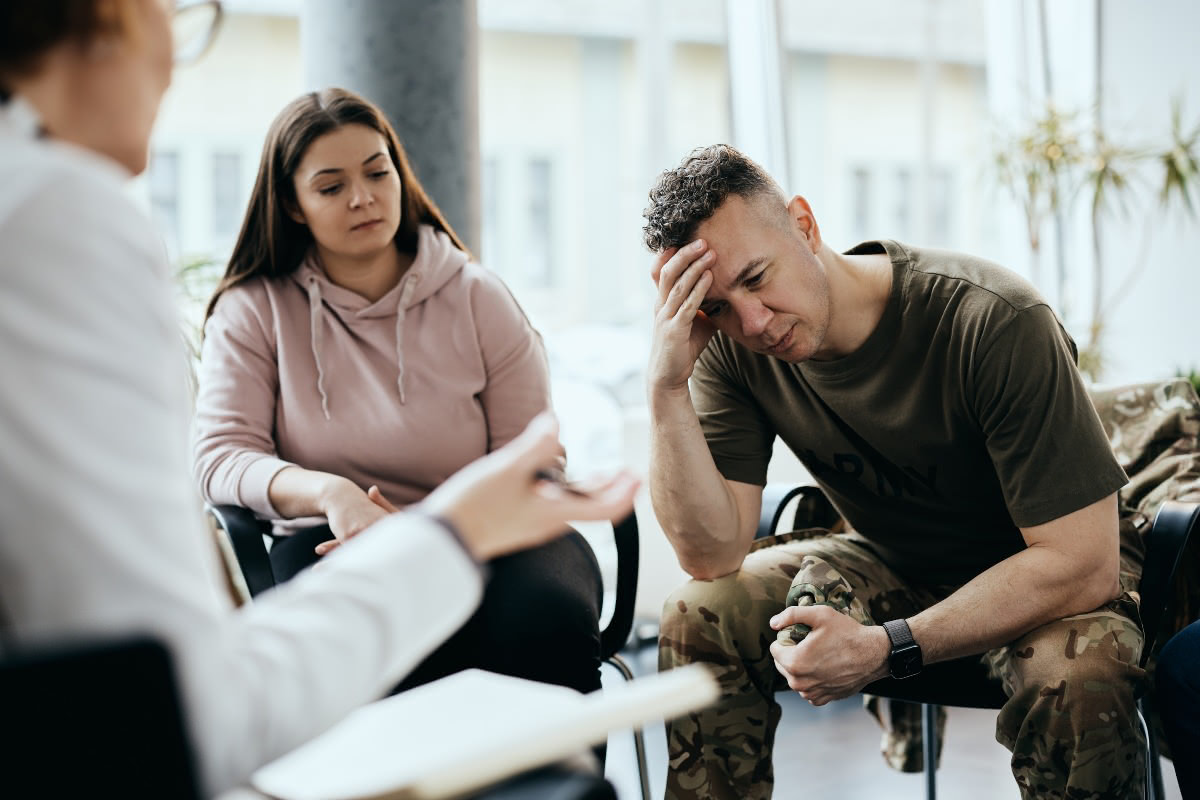
Privacy plays an essential role in mental health care, particularly for veterans in Australia. Many veterans face unique challenges, including post-traumatic stress disorder (PTSD), anxiety and depression, stemming from their military service. Ensuring their privacy not only safeguards personal dignity but can also remove barriers to seeking support, fostering an environment that encourages open and honest communication. Addressing these challenges with confidentiality is integral to delivering effective care, as it nurtures trust between veterans and healthcare professionals.
Veterans often carry with them experiences that are deeply personal and sensitive. The willingness to share such experiences can be influenced by confidence in the discretion of healthcare providers, such as those at mental health initiatives like https://soulmedicinevar.com.au/. Without assurance of strict privacy measures, veterans may hesitate to disclose critical information, potentially delaying their treatment and recovery. This makes an understanding of privacy not just a preference but a necessity in creating supportive care systems.
The Australian healthcare framework already adheres to rigorous privacy laws, yet the emphasis on privacy in mental health care for veterans goes beyond mere compliance. For many, the stigma surrounding mental health can discourage them from accessing help. By fostering an environment where privacy is guaranteed, healthcare providers can help veterans feel more secure. This reassurance is essential for Australia’s veteran communities, where targeted efforts are required to provide holistic, stigma-free support.
Why Privacy Matters in Veteran-Focused Mental Health Care
Understanding the importance of privacy begins with seeing how it impacts veterans’ mental health outcomes. For those dealing with trauma or other mental health conditions, fear of judgment is a legitimate concern. Disclosure of mental health challenges, even within close-knit communities, can feel daunting. Without privacy, veterans may opt to remain silent rather than risk their personal struggles becoming public knowledge.
By implementing confidentiality practices tailored to veterans’ needs, practitioners can help destigmatise mental health care. Clear communication about privacy policies and what happens to any shared information is a step toward fostering trust. When veterans feel assured of discretion, they are far more likely to seek out and continue therapy or counselling services.
Privacy’s Role in Building Trust
Veterans often face unique obstacles in accessing the benefits they have earned, including medical care. Australia’s veteran community relies heavily on trust, which is established not only through culturally competent care but also through respecting personal boundaries. Privacy becomes a foundational element of this trust. A breach, or even the perception that privacy is not taken seriously, can undo years of progress in connecting veterans with mental health services.
Practices such as secure digital health records and closed-session policies are important steps in achieving this. Additionally, training healthcare providers in trauma-informed practices ensures they approach each case with the sensitivity veterans deserve. With this, healthcare systems can achieve a balance of transparency and confidentiality, vital for complex cases common in veteran mental health care.
The Broader Impact
Protecting privacy improves more than just immediate mental health outcomes; it also plays a wider role in changing societal attitudes towards veterans’ wellbeing. By enabling veterans to seek help without fear of exposure, healthcare providers contribute to stronger, healthier communities. Veteran privacy is not merely a legal obligation but a reflection of respect and care.
Australia has an opportunity to lead by example through initiatives that adapt privacy policies to veterans’ specific experiences. Continuing this effort ensures those who served the nation are supported with dignity, allowing them to focus on their recovery without hesitation.