
The Role of QEEG Brain Mapping in Personalised Care
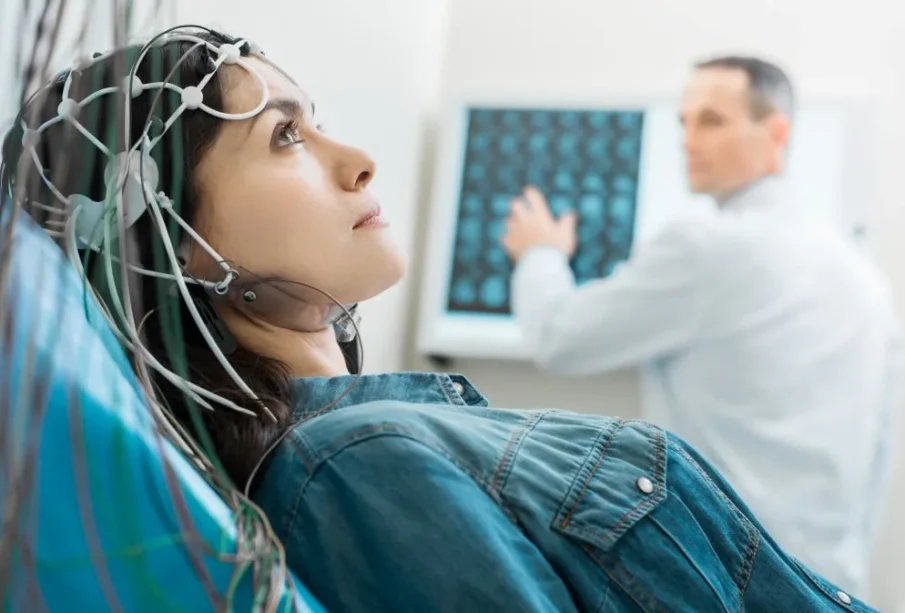
QEEG brain mapping is gaining attention in Australian health care as clinicians look for better ways to understand how the brain is functioning. Unlike a standard scan that shows structure, QEEG measures electrical activity and turns it into a map of brainwave patterns. This can add useful detail when a person has symptoms linked to anxiety, attention problems, concussion, or conditions such as frontotemporal dementia.
Personalised care depends on clear information about the individual, not only the diagnosis. In some cases, people with frontotemporal dementia may show changes in behaviour, speech, planning, or social judgement before a cause is fully understood. QEEG brain mapping can support assessment by showing patterns that may help clinicians compare symptoms with brain activity, while still using it alongside medical history, clinical review, and other tests.
This matters in Australia, where people often move between GPs, specialists, allied health workers, and community services. A tool that adds another layer of detail may help shape more focused care plans, including support for people living with frontotemporal dementia and other neurological conditions. It may also help families understand why one person’s symptoms and daily needs differ from another’s.
QEEG stands for quantitative electroencephalography. The test records brain activity through sensors placed on the scalp. That information is then analysed against age-based data sets to show where brainwave activity sits within a typical range and where it does not. The process is non-invasive and usually well tolerated, which makes it useful in a wide range of clinical settings.
One of the main strengths of QEEG is that it can show patterns linked to function. A person may have trouble with focus, memory, sleep, mood, or impulse control, and the map may point to brain regions that are overactive or underactive. This does not give a diagnosis on its own. Instead, it can help guide a more tailored plan by showing where support may be needed most.
In practice, personalised care can take many forms. For one person, QEEG findings may support a plan that includes cognitive therapy, medication review, sleep support, and regular follow-up. For another, it may help track changes after mild brain injury or assist in planning school or workplace support. In aged care and neurology, it may add context when symptoms are subtle or changing over time.
Australian care settings can vary a lot between cities, regional centres, and remote areas. Access to specialist testing is not always equal, and long wait times can affect assessment and follow-up. Even so, tools like QEEG may help improve decision-making when used carefully and interpreted by trained clinicians. Its value lies in adding useful data to the wider clinical picture, not replacing established medical assessment.
As health care moves towards more individual planning, QEEG brain mapping offers a practical way to link symptoms with brain function. Used well, it can support clearer assessment, closer monitoring, and care that better fits the person in front of the clinician.