How Height Improvement Builds Lasting Confidence at Any Age

Height shapes how many people feel about themselves, and this holds true across Thailand. From students in Bangkok classrooms to working adults in Chiang Mai offices, standing tall often connects to a stronger sense of self. The good news is that height improvement, when approached sensibly, can support confidence at almost any stage of life. A height’s doctor consult (known as ปรึกษาหมอเพิ่มความสูง in Thai) is usually the first sensible step, giving you facts about your body rather than guesses drawn from online chatter.
In Thai society, appearance carries real weight in social and professional settings. Many young people worry about how they measure up against friends, and parents often share these concerns during family discussions. Booking a height’s doctor consultation helps replace anxiety with clear information. A qualified professional can assess growth plates, check nutrition, and explain what results are realistic based on age and genetics. This grounded understanding calms fears and sets sensible expectations.
For children and teenagers, growth potential remains open, so a doctor’s consultation about height can prove genuinely useful. Specialists in Thailand often look at diet, sleep, hormones, and physical activity together. Simple changes, such as adding more protein and calcium through local foods like fish, tofu, and leafy greens, can support natural growth. Regular sleep also matters, since the body releases growth hormone during deep rest. When families see progress, children tend to feel prouder of themselves and more willing to join sports and social groups.
Nutrition deserves special attention in the Thai context. Traditional meals can be balanced, yet busy schedules push many towards sugary drinks and fast food. Encouraging fresh fruit, brown rice, eggs, and dairy gives the body building blocks it needs during growth years. Staying active through football, badminton, or Muay Thai training also strengthens bones and improves posture. Good posture alone can make someone appear taller and more assured, which boosts how others respond to them.
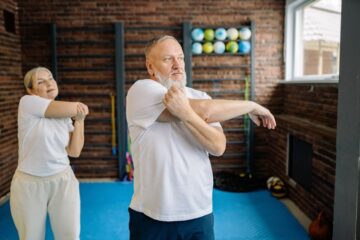
Adults sometimes assume the chance for change has passed, but posture, fitness, and self-presentation still matter. Standing straight, keeping shoulders back, and staying fit can improve both appearance and mindset. Confidence often grows from feeling healthy and capable rather than from numbers on a measuring chart. Many Thai adults find that regular exercise, mindfulness practices rooted in Buddhist tradition, and supportive friendships lift their self-image far more than height alone ever could.
It helps to remember that confidence comes from many sources. Skills, kindness, humour, and achievements all shape how people see us and how we see ourselves. Height can play a part, yet it never tells the whole story. Thai culture values respect, effort, and warmth, qualities that draw people together regardless of physical stature.
If height concerns affect your wellbeing, start with honest information and small, healthy habits. Talk to a trusted medical professional, eat well, move often, and rest properly. These steps support both physical growth where possible and emotional strength that lasts. True confidence grows steadily, built on care for your body and belief in your own worth at any age.