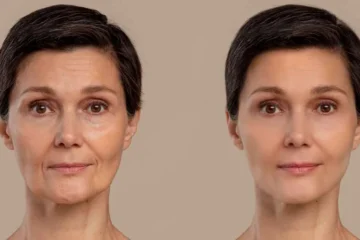
Skincare Before and After Heated Bikram Yoga Sessions

Sweat is a normal cooling response, but a heated class creates a warm, moist environment in which sunscreen, makeup, skin oil and friction can interact. The result may be harmless for many people, while others notice breakouts, irritation or discomfort where clothing and towels repeatedly touch the skin.
A practical skincare routine around bikram yoga should focus on gentle cleansing, clean fabrics and products suited to the individual. Heated exercise does not detoxify the skin, and an aggressive collection of scrubs or active ingredients is not required to prove that the skin is clean.
Sweat Is Not Dirt
Sweat itself is largely part of temperature regulation. Problems can arise when it remains mixed with oil, cosmetics, environmental residue and friction for an extended period.
The goal is not to stop sweating. It is to reduce avoidable buildup and irritation before, during and after class.
Begin with Clean, Comfortable Skin
Someone arriving after a full workday may have makeup, sunscreen and urban residue on the face. Removing heavy makeup gently before class can reduce the mixture sitting on sweaty skin.
A mild cleanser is usually more appropriate than harsh scrubbing. Skin that already feels irritated should not be stripped immediately before exposure to heat and towels.
Makeup Can Increase Occlusion
Foundation and other heavy products can mix with sweat and oil. People who are prone to breakouts may prefer to practise with minimal or no makeup.
If a product is necessary, an oil-free or non-comedogenic option may be easier for acne-prone skin. Individual response still matters because no label guarantees that every person will tolerate a product.
Sunscreen Still Matters Outside the Studio
The heated room does not create ultraviolet exposure, but the journey to and from class may involve Singapore sun. Sunscreen remains relevant for outdoor travel.
A broad-spectrum, water-resistant product may suit a sweaty commute. If it feels heavy during class, timing or formulation can be adjusted rather than abandoning sun protection altogether.
Heavy Layers May Feel Uncomfortable
Thick occlusive products can feel greasy when the face warms and sweats. This does not mean all moisturiser should be avoided.
People with dry or sensitive skin may benefit from a light, familiar product. Trying a new rich cream immediately before class makes it harder to interpret any reaction.
Active Ingredients Can Increase Sensitivity
Retinoids, exfoliating acids, benzoyl peroxide and other active products can irritate some skin, especially when combined with heat, sweat and friction.
There is no universal requirement to stop prescribed treatment. A dermatologist can advise on timing and frequency for persistent irritation. Prescription products should not be changed solely on casual advice.
Use a Clean Towel to Pat Sweat
Repeated rubbing can increase friction and redness. Gently patting sweat is generally kinder than scrubbing the face throughout class.
The towel should be clean and used consistently on the same personal surface. A floor or equipment towel should not then be used on the face.
Hands Can Transfer More Than Sweat
During class, hands touch the mat, floor, blocks and body. Repeatedly touching the face may transfer oil and environmental microbes.
This does not require anxiety about every contact. Basic hand hygiene and avoiding unnecessary face touching are practical measures.
Hair Products Can Reach the Skin
Conditioner, styling cream and hair oil can move onto the forehead, neck or back as sweat develops. Occlusive products may contribute to breakouts in susceptible people.
Securing hair away from the face and choosing an appropriate amount of product can reduce transfer. Hair ties should remain comfortable without pulling tightly for the entire class.
Headbands Create Friction Zones
A headband keeps sweat away from the eyes but can trap moisture and rub the forehead. Reusing it without washing may increase buildup.
A clean, breathable band with a comfortable fit is preferable. People who notice a repeated line of irritation can test a looser style or use a towel instead.
Activewear Affects Body Skin
Tight, damp clothing can create friction at the shoulders, chest, back, waist and thighs. This may contribute to irritation or acne-like breakouts.
Breathable, well-fitting clothing and smooth seams can reduce rubbing. Changing out of sweaty clothing soon after class prevents prolonged damp contact.
Mats and Props Need Sensible Hygiene
Shared surfaces can carry sweat and skin residue. Studios should follow appropriate cleaning procedures, and participants should use equipment as directed.
A personal towel can create a barrier, but it still needs washing after use. Harsh disinfectant should not be applied directly to the skin.
Cleansing After Class Should Be Gentle
Washing the face and body after heavy sweating can remove buildup. Hotter water and aggressive scrubbing are not necessarily more effective.
Lukewarm water and a mild cleanser may be more comfortable for sensitive or acne-prone skin. Patting dry avoids adding friction immediately after heat exposure.
Shower Timing Should Be Practical
An immediate shower is convenient when facilities allow, but travellers may need time to reach home. Changing clothes and gently cleansing key areas can reduce prolonged exposure in the meantime.
The routine should remain realistic enough to repeat. A complicated fifteen-product process is unlikely to be necessary.
Moisturiser Supports the Skin Barrier
Heat, cleansing and air conditioning can leave some skin feeling dry even in a humid climate. A light moisturiser can help restore comfort.
Fragrance-free and non-comedogenic products may suit sensitive or acne-prone users. The best choice depends on skin type and current treatment.
Avoid Scrubbing to Remove a “Detox”
Sweat does not bring a visible layer of toxins to the surface that needs to be scraped away. Abrasive scrubs, rough cloths and repeated cleansing can damage the skin barrier.
Clean skin should not need to feel tight or squeaky. Persistent burning and redness suggest irritation rather than superior cleansing.
Reapply Sun Protection When Needed
Sweat and towel use can remove sunscreen. If the journey after class involves daylight exposure, reapplication may be appropriate.
The face should be gently dried first so the product can form an even layer. Shade, clothing and timing also contribute to sun protection.
Watch for Heat-Related Rashes
Small itchy bumps, persistent redness or burning may reflect irritation, heat rash, contact reaction or another condition. Self-diagnosis from appearance alone can be unreliable.
Cooling the skin, avoiding known irritants and changing damp clothing may help mild discomfort. Recurring, spreading or painful symptoms deserve medical assessment.
Skin Infections Need Proper Treatment
Warm, moist shared environments can support bacteria and fungi. Open wounds should be appropriately covered, and personal towels or razors should not be shared.
Painful swelling, pus, rapidly spreading redness or systemic illness requires professional care. A class should not be used to “sweat out” a skin infection.
Acne Management Requires Consistency
One class is unlikely to explain every breakout. Hormones, products, friction, stress and treatment adherence all influence acne.
Tracking where breakouts occur can help identify contact patterns from headbands, straps or clothing. Persistent acne is better discussed with a dermatologist than attacked with increasingly harsh products.
Keep the Routine Simple and Repeatable
When attending Yoga Edition, practitioners can bring a clean face towel, wear freshly washed activewear and plan how they will change or cleanse after class. These small preparations are more useful than purchasing a specialised heated-yoga skincare range.
Skin comfort around Bikram Yoga depends on reducing friction, buildup and unnecessary irritation. Gentle care before and after class allows sweat to serve its cooling role without treating it as contamination. When symptoms persist, individual dermatological advice matters more than a universal routine.
Frequently Asked Questions
Should I remove makeup before Bikram Yoga?
Removing heavy makeup can reduce the mixture of cosmetics, oil and sweat. Use a gentle method rather than aggressive scrubbing.
Does sweating detoxify the skin?
No. Sweat primarily supports temperature regulation. It does not replace normal liver, kidney or skin-barrier functions.
Should I wash my face immediately after class?
Gentle cleansing after heavy sweating can remove buildup. If an immediate shower is unavailable, change clothes and cleanse when practical.
Can I use retinol before a heated class?
Some active ingredients can increase irritation. Follow product or dermatologist guidance, particularly if you already experience redness or burning.
Why do I break out under my headband?
Trapped sweat, product residue and friction may contribute. Wash the headband after use and consider a clean, looser alternative.
What symptoms require a dermatologist?
Seek advice for persistent acne, recurring rashes, painful swelling, pus, spreading redness, severe irritation or symptoms that do not improve.