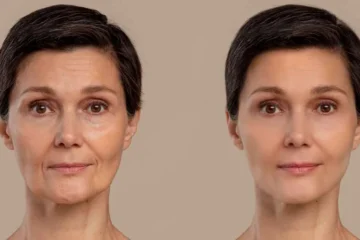
Debunking Popular Skin Care Myths

Skin care advice is everywhere—social media, advertisements, word of mouth—and not all of it is accurate. Over time, well-meaning tips turn into widely believed myths that can actually harm your skin. Separating fact from fiction is essential for building a routine that truly works.
Myth 1: Expensive Products Are Always Better
Price tags don’t determine effectiveness. What matters most is formulation, ingredient quality, and consistency of use.
The Reality
- Affordable products can contain the same active ingredients as luxury ones
- Higher cost often reflects branding and packaging, not superior results
- Skin responds to ingredients, not price
A well-formulated product used consistently will outperform an expensive product used incorrectly.
Myth 2: Natural Ingredients Are Always Safer
“Natural” sounds gentle, but nature can be irritating too.
The Reality
- Essential oils and plant extracts can trigger irritation or allergic reactions
- Poison ivy is natural—but not skin-friendly
- Synthetic ingredients are often more stable and predictable
Safety depends on how an ingredient is formulated, not where it comes from.
Myth 3: Oily Skin Doesn’t Need Moisturizer
Skipping moisturizer often makes oily skin worse, not better.
The Reality
- Dehydrated skin produces more oil to compensate
- Lightweight, non-comedogenic moisturizers help balance oil production
- Proper hydration supports a healthy skin barrier
Even oily and acne-prone skin needs moisture.
Myth 4: You Should Feel Tingling or Burning for Products to Work
Discomfort is not a sign of effectiveness.
The Reality
- Burning and stinging often indicate irritation or barrier damage
- Active ingredients should feel mild, not painful
- Long-term irritation accelerates aging and breakouts
Healthy skin care should feel comfortable, not aggressive.
Myth 5: You Need a 10-Step Routine for Good Skin
Complex routines are not automatically better.
The Reality
- Too many products increase the risk of irritation
- Consistency matters more than quantity
- A simple routine is easier to maintain long-term
Cleanser, moisturizer, and sunscreen form the foundation of effective skin care.
Myth 6: Sunscreen Is Only Necessary on Sunny Days
UV exposure happens even when the sun isn’t visible.
The Reality
- UV rays penetrate clouds and windows
- Daily exposure contributes to premature aging and pigmentation
- Sunscreen is essential year-round
Daily sunscreen is one of the most powerful preventive skin care steps.
Myth 7: Acne Is Caused by Dirty Skin
Over-cleansing can actually worsen acne.
The Reality
- Acne is influenced by hormones, oil production, and inflammation
- Harsh cleansing disrupts the skin barrier
- Gentle cleansing supports healing
Clean skin is important, but over-scrubbing does more harm than good.
Myth 8: Pores Can Open and Close
Pores don’t have muscles to open or shut.
The Reality
- Pore size is largely genetic
- Oil and debris can make pores appear larger
- Proper cleansing and exfoliation improve their appearance, not size
Products can refine how pores look, but they can’t physically change them.
How to Spot Skin Care Myths
Being critical of skin care advice protects your skin.
Smart Ways to Evaluate Claims
- Be cautious of “instant results” promises
- Look for ingredient transparency
- Question advice that relies on discomfort or extremes
- Focus on long-term skin health
Good skin care is built on patience and evidence, not trends.
FAQs About Skin Care Myths
1. Why do skin care myths spread so easily?
They’re often simple, dramatic, and shared widely on social media without scientific backing.
2. Can following skin care myths permanently damage skin?
Yes. Chronic irritation and barrier damage can lead to long-term sensitivity and premature aging.
3. Are viral skin care trends reliable?
Some are helpful, but many lack context or ignore individual skin differences.
4. Is it bad to change products frequently?
Frequent switching can disrupt the skin barrier and make it hard to identify what actually works.
5. Do men and women need different skin care?
Skin needs are based on skin type and condition, not gender.
6. Can skin care products “detox” the skin?
No. The skin already detoxifies itself through natural processes.
7. How can I build a routine based on facts, not myths?
Stick to proven ingredients, keep routines simple, and introduce changes gradually.
Clear skin isn’t about following every trend—it’s about understanding your skin and treating it with consistency, restraint, and evidence-based care.