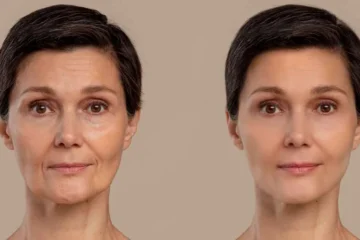
The Truth About Anti-Aging Skin Care

Anti-aging skin care is surrounded by bold promises, viral trends, and expensive products that claim to reverse time. While healthy skin can absolutely look smoother, brighter, and more youthful, the truth is more grounded—and more empowering—than marketing slogans suggest. Understanding what actually works can save your skin, your money, and your expectations.
Understanding How Skin Ages
Skin aging is a natural biological process, influenced by both internal and external factors. While aging cannot be stopped, it can be managed intelligently.
Intrinsic (Natural) Aging
This type of aging happens gradually over time and is largely determined by genetics. It includes:
- Slower cell turnover
- Reduced collagen and elastin production
- Thinner, drier skin
Extrinsic (Environmental) Aging
This is the aging we can influence the most. Key contributors include:
- Sun exposure (UV radiation)
- Pollution
- Smoking
- Chronic stress
- Poor sleep and nutrition
Most visible signs of aging—wrinkles, dark spots, and loss of firmness—are driven primarily by extrinsic factors, especially the sun.
Common Myths About Anti-Aging Skin Care
Many anti-aging claims sound convincing but don’t hold up under scientific scrutiny.
Myth 1: Expensive Products Work Better
Price does not equal effectiveness. What matters are active ingredients, their concentration, and proper formulation—not luxury packaging.
Myth 2: Wrinkles Can Be Erased Completely
Topical products can soften the appearance of fine lines, but they cannot permanently erase deep wrinkles or dramatically lift sagging skin.
Myth 3: Anti-Aging Products Are Only for Mature Skin
Prevention matters. Using sun protection and gentle active ingredients in your 20s and 30s helps delay visible aging later.
Ingredients That Actually Make a Difference
Science-backed ingredients are the foundation of effective anti-aging care.
Proven Anti-Aging Ingredients
- Retinoids (Retinol, Retinal): Stimulate collagen production and improve skin texture
- Vitamin C: Brightens skin and protects against environmental damage
- Niacinamide: Strengthens the skin barrier and improves elasticity
- Hyaluronic Acid: Deeply hydrates and plumps the skin
- Broad-Spectrum Sunscreen: The most important anti-aging product of all
Consistency matters more than strength. Using gentle formulations regularly is better than aggressive treatments used sporadically.
The Role of Sunscreen in Aging
Sun exposure accounts for up to 80–90% of visible skin aging. Without daily sun protection, even the best anti-aging routine will fall short.
Why Sunscreen Is Non-Negotiable
- Prevents collagen breakdown
- Reduces wrinkles and fine lines
- Protects against hyperpigmentation
- Lowers skin cancer risk
A broad-spectrum sunscreen with SPF 30 or higher, applied daily and reapplied when outdoors, is essential year-round.
Lifestyle Habits That Impact Skin Aging
Skin care products alone are not enough. Your daily habits directly influence how your skin ages.
Skin-Positive Lifestyle Choices
- Getting 7–9 hours of quality sleep
- Staying hydrated
- Eating antioxidant-rich foods
- Managing stress levels
- Avoiding smoking and excessive alcohol
Healthy skin reflects overall health more than any single product ever could.
Setting Realistic Expectations
Anti-aging skin care is about improvement and prevention, not perfection. With the right routine:
- Skin can look smoother and more radiant
- Fine lines may soften
- Uneven tone can improve
What it cannot do is stop time. And that’s okay—aging skin can still be healthy, confident, and beautiful.
Building a Simple, Effective Anti-Aging Routine
You don’t need a 12-step routine. A balanced approach works best.
Core Routine Essentials
- Gentle cleanser
- Antioxidant serum (morning)
- Retinoid (night)
- Moisturizer
- Daily sunscreen
Consistency over complexity is the real secret.
FAQs About Anti-Aging Skin Care
1. At what age should I start using anti-aging products?
You can start focusing on prevention in your mid-20s, especially with sunscreen and antioxidants.
2. Can natural or organic products slow aging?
Some natural ingredients offer antioxidant benefits, but “natural” doesn’t automatically mean more effective.
3. Is retinol safe for sensitive skin?
Yes, when introduced slowly and used in lower concentrations with proper moisturizing.
4. How long does it take to see results from anti-aging products?
Most products take 8–12 weeks of consistent use to show visible improvement.
5. Do facial exercises or massage prevent wrinkles?
They may improve circulation temporarily, but there’s limited evidence they prevent wrinkles long-term.
6. Can men benefit from anti-aging skin care?
Absolutely. Skin aging affects everyone, regardless of gender.
7. Is professional treatment necessary for anti-aging?
Not always. Many people see excellent results with well-formulated at-home routines, though professional treatments can enhance outcomes.
Aging is inevitable, but premature aging isn’t. When you understand the truth behind anti-aging skin care, you gain control—not over time, but over how confidently you wear it.