
Essential Steps for Veterans Filing DVA Claims in Sydney
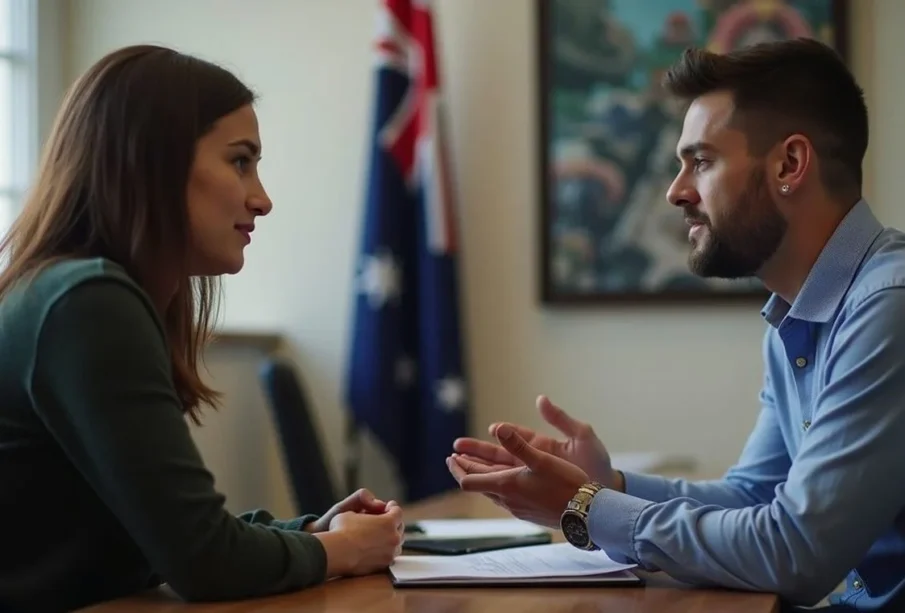
For many Australian Defence Force (ADF) members transitioning back to civilian life, accessing entitlements can be a complex process. The Department of Veterans’ Affairs (DVA) provides a range of benefits and compensation for service-related injuries or conditions, but understanding the claims procedure is vital. If you are based in New South Wales, finding the right information locally is the first step towards securing the assistance you deserve.
The initial phase involves gathering all necessary documentation. This includes your medical records, service history, and any incident reports related to your injury or illness. Having a clear timeline of events helps establish the connection between your service and your current condition. Many veterans find that reaching out for DVA support Sydney based services early in the process helps clarify exactly what evidence is required before lodging a formal application.
Once your documents are organised, you need to determine which act your claim falls under. The legislation covering veterans’ compensation in Australia is divided into three main acts: the Veterans’ Entitlements Act 1986 (VEA), the Safety, Rehabilitation and Compensation (Defence-related Claims) Act 1988 (DRCA), and the Military Rehabilitation and Compensation Act 2004 (MRCA). The date of your service and when the injury occurred will dictate which act applies to you. Incorrectly filing under the wrong legislation can cause significant delays, so take the time to check your eligibility criteria carefully.
After establishing the correct legislation, you must obtain a specific medical diagnosis. A general practitioner can provide a referral, but you will often need a specialist to confirm the condition and link it directly to your service. This medical evidence is the foundation of your claim. The doctor needs to state clearly that your condition exists and provide a medical opinion on its relationship to your defence service. Vague medical reports often lead to claims being rejected or returned for more information.
Lodging the claim is the next practical step. This can be done online through the MyService portal or by submitting paper forms. While the online system is designed to be user-friendly, the questions can be detailed. Ensure every section is completed thoroughly. If you are unsure about a question, it is better to pause and find the answer rather than guessing. Incomplete forms are a common reason for processing delays.
Once the claim is submitted, the DVA will assign a delegate to assess your case. They may request further information or ask you to attend a medical assessment. Responding promptly to these requests keeps the process moving. If your claim is accepted, the delegate will determine the level of compensation and other support services available to you, such as rehabilitation or medical treatment cards.
If a decision does not go your way, remember that you have the right to appeal. A primary decision can be reviewed, and if necessary, taken to the Veterans’ Review Board. Many successful outcomes happen at the review stage, simply by providing additional evidence that was missing from the original application. Understanding these steps empowers veterans to access the entitlements they have earned through their service.